
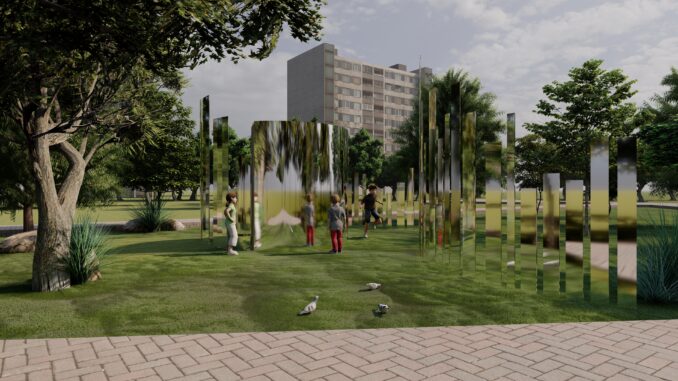
One of the most urgent issues of our day is the degradation of the environment caused by human activity. A project by University of Portsmouth students is using interactive installations to provoke visitors to think deeply about their relationship with the environment while examining this issue through the prism of design activism.
Portsmouth serves as a visual depiction of the effects of human activity on both natural and urban ecosystems, acting as a harsh reminder of neglect littered, polluted, and ignored.
Our project turns this neglected site in Portsmouth into a place for conversation, reflection and hope through creative interventions like mirrored installations, sculptural forms and participatory design objects. It encourages people to think about how they are hurting the environment and how they could help make the world a better place for everyone.
The main goal of our project is to get people to think about how their actions affect the environment and to raise awareness of this. We want to get people to take responsibility for their actions and become more aware of the environment through art and interactive design.
Our project turns an unattractive location into an interesting place fin which people can think about things, drawing inspiration from the City Walk initiative, which uses art to bring life back to neglected areas. The installation is both a criticism and a spark, prompting communities to rethink how they interact with their surroundings.
ATTUNEMENT: FORLORN SPACE


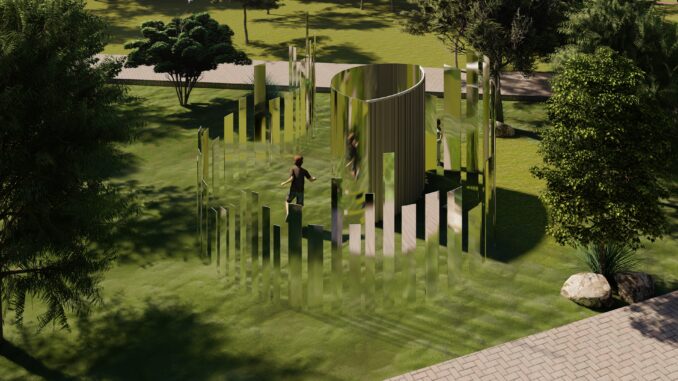
The focus of our design is vertical garden mirrors, which can be used both literally and figuratively. These mirrors mix plants, soil, and other natural and man-made materials to show the conflict between destruction and renewal. As visitors get closer, they can see themselves in the trash, which makes them realise how directly they are connected to the problem and, more importantly, how they could help solve it.
Accompanying visual elements such as silhouettes of birds, vibrant color palettes, and text phrases like ‘Do the right thing’ and ‘Where is my hope?’ add an emotional and thought-provoking dimension. These poetic inclusions reinforce the theme of self-awareness and responsibility, turning passive observation into active contemplation.
Our project goes beyond just putting up a mirror. It also includes several interactive features that get people more involved.
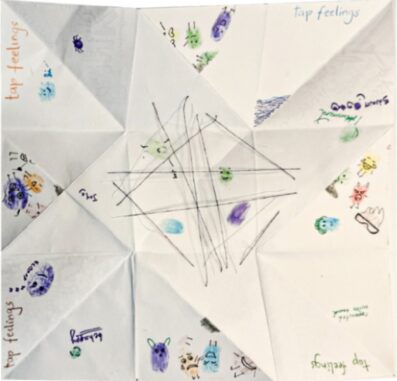
‘Tap Feeling’ is an interactive pop-up book that asks people to leave fingerprints, draw faces and talk about how they feel about environmental issues. This collaborative artefact becomes a shared story of awareness, a growing record of empathy, frustration and hope from everyone who interacts with it.

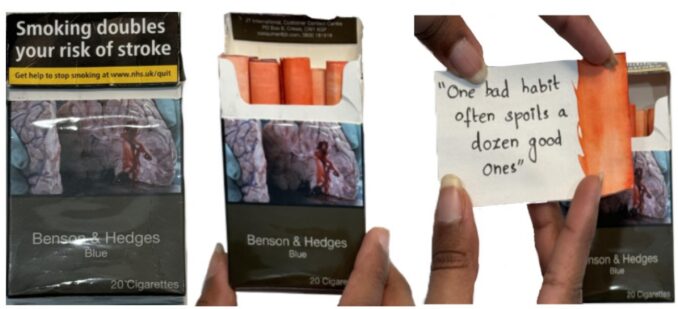
Utilising abandoned cigarette boxes that were discovered on the property is another element that was motivated by Eileen White’s ‘Entanglements’ (2023). With scribbled positive pledges and illustrated cigarettes inside, each box is turned into a little work of
art. By turning rubbish into a space for introspection and an imperative for change, these artefacts operate as a reminder of our connection to waste. Collectively, these artistic creations convert inactive awareness into active involvement, reaffirming that personal responsibility and individual action are the first steps towards environmental care.
Collaboration is essential to the success of our project, as each participant adds a unique perspective to the overall story: The concept is grounded in a practical setting thanks to Musab’s ‘Zine of Site Evidence’. It turns empirical facts into a visual argument for change by documenting the site’s environmental degradation through observations, notes, images and symbolism. They convey messages of reflection, connection and action, inviting viewers to contemplate their role in environmental stewardship.
Malavika’s ‘Voices of the Unseen’ zine offers a poetic exploration of the profound influence wielded by seemingly ordinary inanimate objects in our lives. Drawing inspiration from Jane Bennett’s concept of power, each verse delves into the unseen forces that shape our existence. Through literary references and creative interpretations, these poems celebrate the interconnectedness between humanity and the material world, revealing the transformative power inherent in everyday objects.
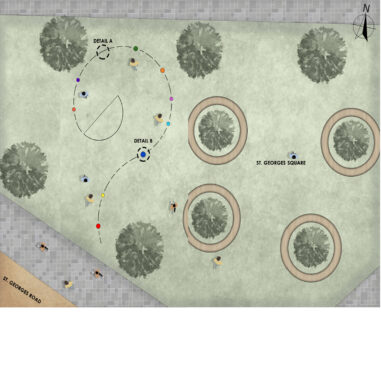
The design focuses on environmental degradation in Portsmouth and encourages visitors to reflect on their relationship with the natural environment. The chosen site highlights the visible impact of pollution, littering, and urban neglect, serving as both a warning and a space for change.
The installation of vertical garden mirrors forms the central element of the design. These mirrors symbolically and literally reflect human presence amid the damaged environment, urging visitors to recognise their role in the problem and the solution. The
reflective surfaces integrate with the surrounding landscape, blending natural elements (trees, soil, plants) with human-made debris, creating a dialogue between destruction and renewal.

The imagery of birds, silhouettes and vibrant colours represents hope, coexistence and regeneration. Phrases like ‘Do the right thing’ and ‘Where is my hope?’ add an emotional, thought-provoking layer, inviting self-awareness and social responsibility. Our initiative is a message for environmental stewardship rather than just an art piece.
Our goal is to turn common public areas into forums for awareness and change by fusing design, activism, and community involvement. Together, the interactive technology, recycled artefacts and mirrored mirrors serve as a reminder that self-awareness is the first step toward sustainability. We hope that this initiative will spark critical thinking, elicit empathy, and motivate people to act not out of guilt, but out of concern for the world we live in. The future of the environment reflects our own decisions, and we recognize this by facing our reflections
in contaminated landscapes.
Project Name: Nature’s Trial.
Students and providers of images: Musab Umair, Meghna Kumar, Malavika Situ
University of Portsmouth, England


